
A strong water-damage insurance file is not simply a phone full of photographs. It is a connected account of what happened, what was damaged, what had to be done immediately and why each later repair became necessary.
The policy wording still determines the cover, and every insurer has its own process. Good evidence cannot guarantee that a claim will be accepted. It can, however, replace uncertainty with a clear sequence that the insurer, loss adjuster and restoration team can follow.
Your evidence pack has one job: connect the incident to the damage, the damage to the response and the response to the claimed cost.
Folder One — The Incident Record
Begin with a one-page cover sheet. Record the discovery date and time, property address, policy and claim references, insurer contact details and the names of the people dealing with the file. If buildings and contents cover are provided separately, note which insurer has been told about each part.
Then describe the event in plain chronological language. Include where water was first seen, whether the level or wet area was changing, recent weather, appliances in use and any action taken to stop the source. Distinguish what you personally observed from what a contractor later concluded.
Save the original photographs and videos rather than only screenshots or compressed copies. Automatic date and time information can help establish the sequence. If the incident was discovered after an absence, record the last occasion on which the property or affected area was known to be normal.
Folder Two — Source Control and Emergency Action
This folder explains why urgent steps were necessary. Keep the plumber’s findings, photographs of a failed component, water-isolation notes and invoices for emergency attendance. For rain or drainage incidents, include relevant external conditions, blocked routes or reports made to the appropriate authority or water company.
Contact the insurer as soon as practical and ask what it wants you to do before substantial clean-up, disposal or permanent repairs. Immediate work may still be needed to protect people or prevent damage becoming worse. Where possible, photograph before intervening, retain receipts and tell the insurer what was done.
Label temporary work accurately. Isolating a pipe, fitting an emergency patch or extracting standing water is not the same as completing the permanent repair and reinstatement. Clear labels prevent one invoice from being mistaken for the entire solution.
Folder Three — The Room and Contents Inventory
Create one inventory section for each room. Start with a wide photograph from the doorway, then take medium views of each affected wall or floor and close photographs of individual damage. Include an undamaged adjoining area where it helps explain the boundary.
- Buildings items: walls, ceilings, fixed flooring, fitted units, skirting, doors and permanent services.
- Contents: movable furniture, rugs, electrical items, clothing, books and personal belongings.
- Condition: wet, stained, swollen, distorted, contaminated, non-operational or apparently unaffected.
- Proposed action: inspect, clean, dry, restore, store or dispose—subject to insurer agreement and safety.
- Value evidence: receipts, order confirmations, model details, card statements or earlier photographs where available.
Do not rush to discard damaged items unless they present a health or safety hazard. The insurer may want to inspect them or agree another form of evidence. If disposal cannot wait, photograph the item from several angles, record its identifying details and ask whether a representative sample should be retained.
The Four-Shot Photograph Sequence
Every important area should be understandable without relying on your memory. Use the same simple sequence throughout the property.
- Orientation: show the whole room and where the affected area sits.
- Connection: include nearby doors, windows, pipes, appliances or the room above where relevant.
- Damage: move closer so staining, swelling, cracking or contamination is visible.
- Detail and scale: capture product labels or serial plates separately and use a ruler where size matters, without obscuring the damage.
A slow video can record the route through several rooms, but it should supplement still photographs rather than replace them. Avoid applying filters, drawing over the only copy or deleting images that do not seem important at first.
Prepare a Guided Route for the Site Visit
Before an insurer, loss adjuster or surveyor attends, make the affected areas safely accessible and prepare the cover sheet, incident chronology, source report and room inventory. Walk through the property in the same order as the file. Show both obvious damage and areas where moisture may have travelled, without presenting assumptions as confirmed facts.
Write down who attended, which company instructed them and what happens next. Ask whether further disposal, opening-up or drying work is authorised, whether another specialist will attend and when you should expect an update. If a report informs the claim decision, request a copy or a clear explanation of its findings. Send a brief written record of any important agreement made during the visit.
Folder Four — The Technical Drying File
Visible damage establishes only part of the loss. Moisture may continue beneath flooring, behind wall finishes or inside insulation after the surface appearance improves. A technical file explains why drying, access or removal was required.
- Initial survey and moisture map showing the affected boundary
- Construction and material notes for each room
- Photographs before and after any justified strip-out
- Equipment schedule, positioning and operating dates
- Monitoring readings from consistent reference points
- Cleaning, contamination and waste-disposal records where relevant
- Drying completion or repair-ready report
Professional water-damage restoration evidence helps connect hidden moisture to the proposed work. It also distinguishes material removed because it had failed from material opened temporarily to create drying access.
Folder Five — Costs, Decisions and Conversations
Keep every relevant estimate, invoice and receipt, including emergency plumbing, extraction, drying electricity, storage and temporary protection. If alternative accommodation or additional living costs may be covered, ask the insurer what it requires before committing to substantial expenditure.
Maintain a communication log with the date, channel, person, subject and agreed next action. Follow significant telephone conversations with a short written confirmation. Store emails and attachments in their original form, and use the claim reference consistently in subject lines.
When a scope changes, keep both versions and record the reason. Newly exposed damage, a failed drying response or a revised material decision may legitimately alter the work. A version trail is clearer than silently replacing the earlier quotation.
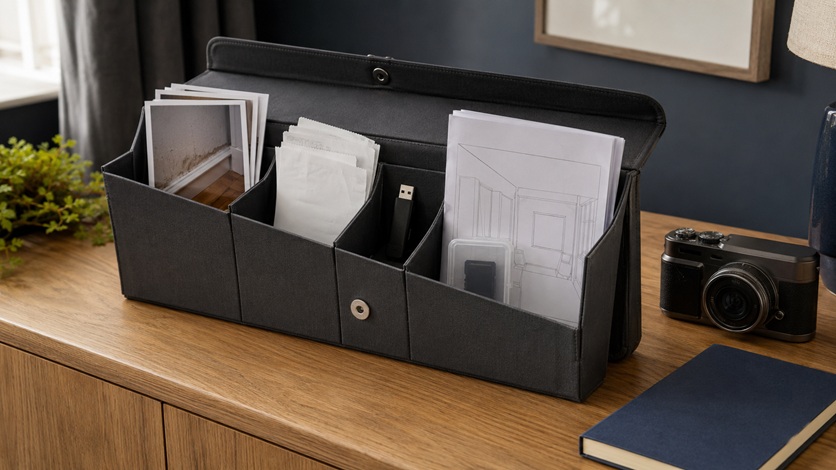
Turn the Five Folders Into One Indexed Pack
Give every document a descriptive filename beginning with the date, room and subject. Keep an untouched master copy and share duplicates. The front index should list the incident summary, photographs, inventory, technical reports, quotations, receipts and correspondence in date order.
London Water Damage provides water-damage insurance claim assistance alongside inspection, drying and repair documentation. If you need a technical scope or evidence-led quotation, request an assessment for your London property before concealed areas are closed or damaged materials are removed.
If you disagree with the handling or outcome of a claim, first use the insurer’s formal complaints process. Keep its final response and the evidence supporting your position. The Financial Ombudsman Service may be able to consider eligible unresolved complaints after the insurer has had the required opportunity to respond.
The best claim pack is quiet and methodical. It does not exaggerate, speculate or bury the important facts under hundreds of unlabelled files. It gives each person handling the claim the same clear route from the first drop of water to the final repair.
