
Two rooms can hold the same depth of water and require completely different recovery plans. Water from a failed supply pipe begins as a different hazard from water returning through a toilet, floor drain or foul sewer. Once sewage is suspected, the job is no longer simply extraction and drying. It becomes contamination control.
The first objective is to prevent the affected footprint from growing. Footwear, tools, hands, pets, unprotected contents and uncontrolled airflow can all carry contamination beyond the visible puddle. A professional response therefore creates three managed zones before routine clean-up begins.
The containment rule: nothing leaves the affected zone until there is a controlled reason, route and method for moving it.
Zone One — The Affected Area
This includes more than standing water. Mark every surface, item and void that was touched, splashed or travelled across while wet. Wall bases, the underside of units, floor junctions, door thresholds and the route people used before the incident was recognised can extend the boundary.
Access should be restricted to people included in the risk-controlled response. Children, pets, customers and unprotected occupants stay out. Electrical or gas equipment that may have become wet should not be used until it has been assessed by an appropriate qualified person.
Zone Two — The Transition Point
The transition point sits at the boundary between affected and clean space. It is where workers prepare to enter, remove or clean protective equipment, contain waste and decontaminate reusable tools. Floor protection and sealed containers stop this small area becoming a second contamination source.
Movement should follow one direction wherever practical. Clean equipment enters under control; bagged waste and used equipment leave through the managed process. People should not walk from the affected room into a kitchen, vehicle or communal corridor wearing the same contaminated footwear.
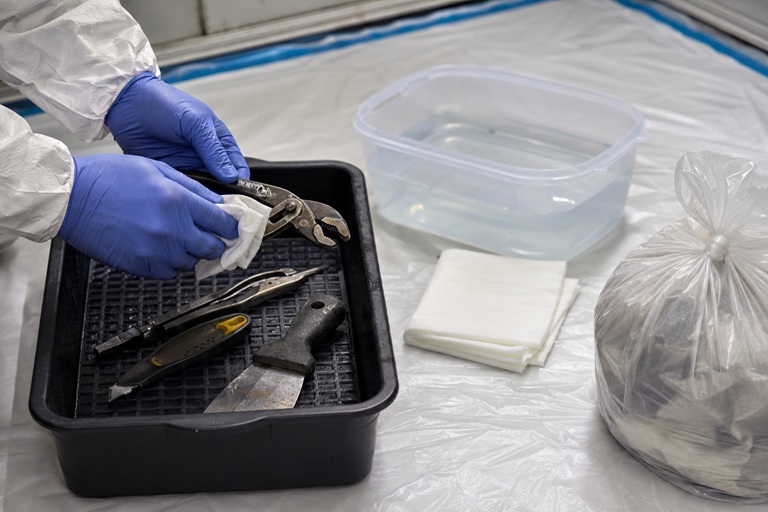
Zone Three — The Clean Support Area
The clean zone holds unused protective equipment, documentation, safe contents and equipment that has not entered the incident area. It also provides a place to manage photographs, the contents inventory and insurer communication without handling contaminated devices or paperwork.
This zone must remain genuinely clean. Placing it beside an open affected doorway or sharing an unprotected route with waste defeats its purpose. If the property cannot support separation, temporary containment or a different access arrangement may be needed.
Confirm the Source Route Before Cleaning Hides It
Photograph where water emerged and note which fixtures were in use, whether several drains were slow or gurgling and whether neighbouring properties were affected. The evidence can distinguish a blocked private waste pipe, failed internal fitting, shared drain or wider sewer problem.
Responsibility depends on the drainage route. Within the Thames Water area, a waste pipe inside the boundary that serves only one property will often sit with the property owner, while shared and public sewers are generally managed by the water company. Report suspected public sewer flooding promptly and arrange a competent drainage assessment where the private route may be involved.
Stopping visible inflow does not prove the system is usable. A temporary clearance can fail again if the obstruction, damaged pipe or capacity problem remains. Record the drain engineer’s findings, repair and any restrictions on toilets, sinks or appliances.
Map the Exposure Footprint, Not Just the Tide Mark
- Direct contact: floors, wall bases, units and contents touched by the water.
- Splash contact: nearby surfaces affected during the incident, pumping or movement.
- Tracked contact: routes created by footwear, wheels, pets, mops and dragged belongings.
- Concealed contact: water beneath flooring, behind skirting, inside partitions or under fixed units.
- Handling contact: doors, taps, tools and devices touched with contaminated gloves or hands.
This map becomes the basis for extraction, cleaning, material removal and later drying. It should be expanded when investigation finds a new route, not reduced simply because the surface has changed colour.
Give Every Material a Defensible Verdict
| Material group | Key question | Typical decision route |
|---|---|---|
| Hard, non-porous surfaces | Can every contacted face and joint be reached? | Clean, apply a suitable disinfection method and verify condition |
| Semi-porous finishes | Has contamination entered edges, seams or damaged coating? | Assess for controlled cleaning or local removal |
| Porous materials | Can contamination be removed throughout the material? | Removal is often more appropriate when thorough cleaning cannot be demonstrated |
| Food and preparation items | Was packaging or a food-contact surface exposed? | Follow public-health and food-safety guidance; do not guess from appearance |
| Electrical items | Did water or contaminated residue reach the equipment? | Isolate from use and obtain competent assessment before return |
Value does not make an item cleanable, and low value does not automatically justify disposal before evidence is recorded. Photograph important contents, identify ownership and ask the insurer what it requires. Specialist conservation may be suitable for certain documents, artwork or irreplaceable objects.
Clean First, Disinfect Second, Dry Third
Physical dirt and organic residue can prevent a disinfectant reaching the surface effectively. Free water and solid contamination are therefore removed under controlled conditions, followed by cleaning with an appropriate detergent method. A suitable disinfecting stage can then be applied according to the product, surface, contact time and risk assessment.
Do not mix cleaning chemicals or improvise stronger concentrations. Uncontrolled pressure washing, aggressive scrubbing or fans can create splashes and spread contaminated droplets or material. The technique must control exposure as well as make the surface look clean.
Only after contamination has been addressed should the project become an ordinary moisture-removal problem. Premature air movement can distribute contamination, while premature dehumidification may dry residue onto surfaces that have not been cleaned.
Protective Equipment Is the Final Barrier
Waterproof gloves, boots and protective clothing can reduce exposure; eye or face and respiratory protection may also be required where the method creates splash or aerosol risk. The selection follows the task and risk assessment. Protective equipment does not replace isolation, safer working methods, hygiene or controlled waste handling.
Used equipment needs a removal procedure. Hands should be washed thoroughly after contact, cuts protected and contaminated work clothing handled separately. Anyone who becomes unwell after exposure should seek appropriate medical advice and explain the contact with contaminated water.
Hand the Clean Structure to the Drying Team
Once cleaning and material removal are complete, a new moisture map should define what remains wet. Professional contaminated-water restoration may require access beneath flooring, inside wall bases and around service penetrations before drying equipment is designed.
The handover should identify what was removed, which surfaces were cleaned, what chemicals or methods were used and which cavities were opened. Drying readings can then be interpreted against a known clean scope instead of an uncertain original boundary.
Release the Property With a Contamination Record
Completion is not defined by odour disappearing. The source route should be controlled, affected materials accounted for, waste removed appropriately, retained surfaces treated under the agreed method and the structure supported by suitable drying evidence. Photographs and contractor records should connect each stage.
Notify the insurer promptly and preserve the initial incident evidence before substantial disposal. London Water Damage can support the technical claim file through its water-damage insurance documentation service. Policy terms still determine cover and excesses.
If a toilet, drain or sewer has flooded your London property, request a contaminated-water assessment before ordinary cleaning or drying spreads the affected boundary. The successful clean-up is the one that leaves a dry property without leaving an invisible trail from the original water.
